You’ve read the books. You’ve done the visualization exercises. You can articulate who you want to become with remarkable clarity—more disciplined, more creative, more strategic, whatever version you’re aiming for. And yet six months later, you’re still making decisions like the person you were trying to leave behind.
The conventional wisdom says you haven’t committed hard enough to your new identity. You need stronger affirmations, more vivid visualization, better accountability. But here’s what nobody mentions: you’re not failing to build a new identity. You’re succeeding at maintaining two identities simultaneously, and the old one keeps winning because you never actually shut it down.
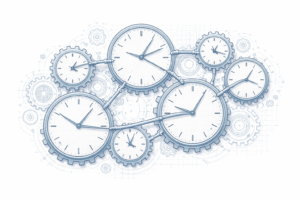
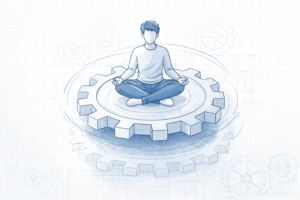
Your brain doesn’t work like a wardrobe where you simply take off one identity and put on another. It works like a computer running multiple applications. And that old version of you? It’s still running in the background, burning resources, creating interference, making decisions when you’re not paying attention. The technical term for this is identity debt—the ongoing cognitive and emotional cost of maintaining an outdated self-concept while trying to operate as someone new.
The Mechanism Nobody Explains
Stanford psychologist Hazel Markus mapped how “possible selves”—the identities we imagine becoming—create motivation. But her lesser-known finding is more revealing: we don’t just hold possible selves. We hold multiple active self-concepts simultaneously, each with its own behavioral scripts, emotional patterns, and decision-making frameworks.
When you decide to “become more disciplined,” you don’t actually overwrite your undisciplined self. You create a second identity track. Now you’re running both. And here’s the problem: the old identity has years of reinforcement, thousands of micro-decisions worth of neural pathways, an entire ecosystem of habits and relationships built to support it. The new identity has… your good intentions and a motivational Instagram post you saved.
The old identity wins most decisions by simple resource advantage. It’s not that you lack willpower. It’s that you’re trying to run two operating systems on hardware designed for one.
Psychologist Timothy Wilson calls these “implicit selves”—the versions of you making decisions below conscious awareness. Brain imaging studies show that when people face identity-inconsistent choices, both identity frameworks activate simultaneously, creating measurable cognitive conflict. You feel this as indecision, but it’s actually a resource allocation problem. The mental energy you think you’re spending building a new identity is actually being consumed by the conflict between identities.
The Shedding Work Nobody Does
The actual work isn’t addition. It’s subtraction. And subtraction is harder because it requires grieving, not striving.
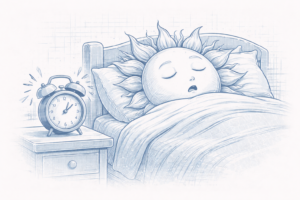
Stop performing the old identity’s rituals. Your undisciplined self has daily ceremonies that reinforce its existence. The 20-minute scroll before getting out of bed isn’t just procrastination—it’s a ritual that says “I’m someone who eases into the day.” The way you tell stories about yourself at dinner parties, the specific self-deprecating jokes you make, the “I’m just not a morning person” declarations—these are identity maintenance activities.
Sarah, a product manager trying to become more strategic, kept saying “I’m more of a details person” in meetings. She thought she was being modest. She was actually running a daily script that reinforced an identity she claimed to want to leave behind. When she stopped making that declaration—not replacing it with “I’m strategic now,” just stopping the old script—something shifted. Within three weeks, people started pulling her into higher-level conversations. They weren’t responding to a new identity she’d built. They were responding to the absence of the old one she’d stopped broadcasting.
The work here isn’t heroic. It’s forensic. Track one week of identity-maintenance activities. Every time you describe yourself a certain way, make a choice “because that’s just who I am,” or perform a small ritual that confirms your current self-concept, write it down. You’ll find 30-40 instances. These are the applications running in the background. Each one is a small vote for staying the same.
Create deliberate incompatibility, not aspiration. Most people try to build the new identity alongside the old one. Better: make them structurally incompatible so you’re forced to choose in real-time.
Marcus wanted to become someone who thinks before reacting. Traditional advice: practice mindfulness, do breathing exercises, visualize responding calmly. What actually worked: he started a practice of writing a one-paragraph email to himself after every meeting explaining what happened and what he’d do differently. Not to send to anyone. Not to improve next time necessarily. Just to create a gap between experience and reaction.
Here’s what surprised him: the practice didn’t make him calmer in meetings. It made his reactive self exhausting to maintain. The old identity required immediate reaction—that was the whole point. The new practice required delayed reflection. He couldn’t do both. The reactive identity couldn’t survive in an environment that demanded pause. It didn’t take discipline to stop reacting. The practice architecture made reacting incompatible with the system he’d built. The old identity couldn’t run in that environment, so it shut down.
Eliminate identity-confirming relationships and spaces. The friend who always calls you for last-minute plans because “you’re spontaneous like that.” The family member who asks you to handle logistics because “you’re the organized one.” The Slack channel where your role is comic relief. These relationships are hosting services for your old identity.
You don’t need to cut people off. You need to stop accepting casting in the role you’re trying to leave. When someone makes an identity-confirming request, the answer is simply “I’m trying to do less of that.” Not “I’m becoming more boundaried now” (that’s performing the new identity, which is just switching applications). Just declining the invitation to be who you were.
This creates temporary awkwardness. People liked the certainty of knowing who you were. But here’s what most articles won’t tell you: that awkwardness is the space where the old identity dies. If you fill it immediately with performance of the new identity, you’re just running two identities again. Leave it empty. The new one emerges in that void, but only if you resist the urge to perform it into existence.
The Reframe That Changes the Work
You’re not trying to become someone new. You’re trying to stop being someone old. The difference isn’t semantic—it’s the entire orientation of the work.
Becoming someone new requires constant effort: visualization, affirmations, identity-consistent behaviors you have to remember to perform. It’s exhausting because you’re adding to an already-full system.
Stopping being someone old requires different work: identifying and eliminating the specific practices, scripts, and relationships that keep the old identity running. It’s uncomfortable because it involves loss, but it’s not exhausting. It’s subtractive.
The new identity doesn’t need to be built. It’s already there, waiting for resources. It’s what emerges naturally when you stop spending all your energy maintaining what you were.
What This Looks Like Monday
Pick one identity maintenance ritual you perform daily. Not your biggest one—that creates heroic narrative and sets you up for dramatic failure. Pick something small that you do so automatically you barely notice it. The specific phrase you use when someone asks how you are. The way you organize your morning. The role you play in your team’s Slack threads.
Stop performing it. Not forever. Just for two weeks. Don’t replace it with the “new you” version. Just create empty space where that ritual used to run.
You’ll feel uncomfortable. That discomfort isn’t resistance to change—it’s the old identity running out of resources. It’s supposed to hurt a little. That’s how you know you’re actually doing the work of shedding instead of just adding another layer of who you think you should be.
Your old identity isn’t your enemy. It’s just outdated software still running because you never shut it down. The work isn’t motivation. It’s basic system maintenance: closing what you’re not using anymore to free up resources for what’s trying to emerge.